

A Middle East on Fire Tests U.S.-Saudi Relations

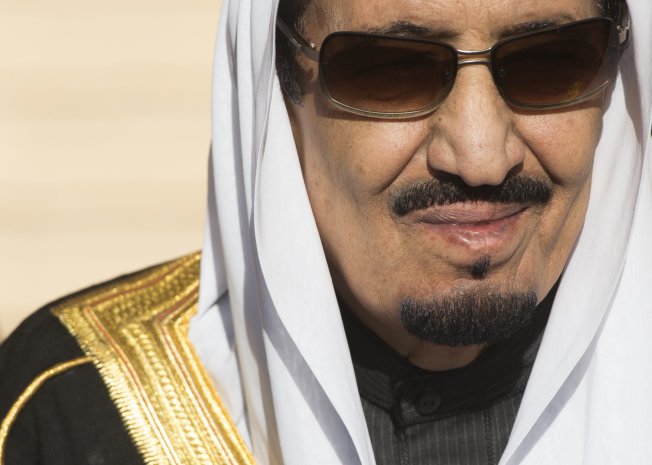 Saudi King Salman visits D.C. amid the Iran deal, Syrian bloodshed and Russian meddling.
Syria is soaked in blood. Oil prices internationally are falling. And a new U.S.-led nuclear deal with Iran is forcing most of America’s greatest friends in the Middle East to choose between alienating their longtime patron and unshackling a despised Islamic Republic they see as the source of their regional problems.
Amid this uncertainty, traditional U.S. partners in the region are beginning to feel American retrenchment and are turning to a key U.S. rival for steady international support. Among them is the principal regional ally, Saudi Arabia, whose monarch’s meeting in the Oval Office on Friday will likely determine the extent of future cooperation.
“This visit could potentially be a turning point in Saudi-U.S. relations,” says Fahad Nazer, a former political analyst at the Saudi Embassy in Washington.
The visit comes as the Saudi government has made notable overtures toward Moscow in recent months. Officials in the kingdom announced in July a plan to invest roughly $10 billion in Russia as a part of an investment fund – a curious if not shrewd scheme to capitalize on Russia’s economic slowdown amid a downturn in oil prices, as well as European and U.S. sanctions designed to cripple its economy as punishment for meddling in Ukraine. Details
