

The Economist Events’ Hosts the 3 rd Edition of Global Illicit Trade Summit in Abu Dhabi
Dialogue between government and businesses is essential for the regulation required to tackle illegal trade to be effective and proportionate – Experts Say
UAE – 31 October 2018: The third edition of The Economist Events’ Global Illicit Trade Summit held on October 30th, 2018 at the Etihad Towers, Abu Dhabi, brought together delegates and prominent experts from the government, law enforcement agencies and private sector to address the root causes of illicit trade and ways to combat it.
Questions posed at the summit focused on new technologies, taxation, legal loopholes, free trade zones, e-commerce and regional socio-economic instability that has presented new opportunities for counterfeiters, intellectual property crimes and other forms of illicit trade.
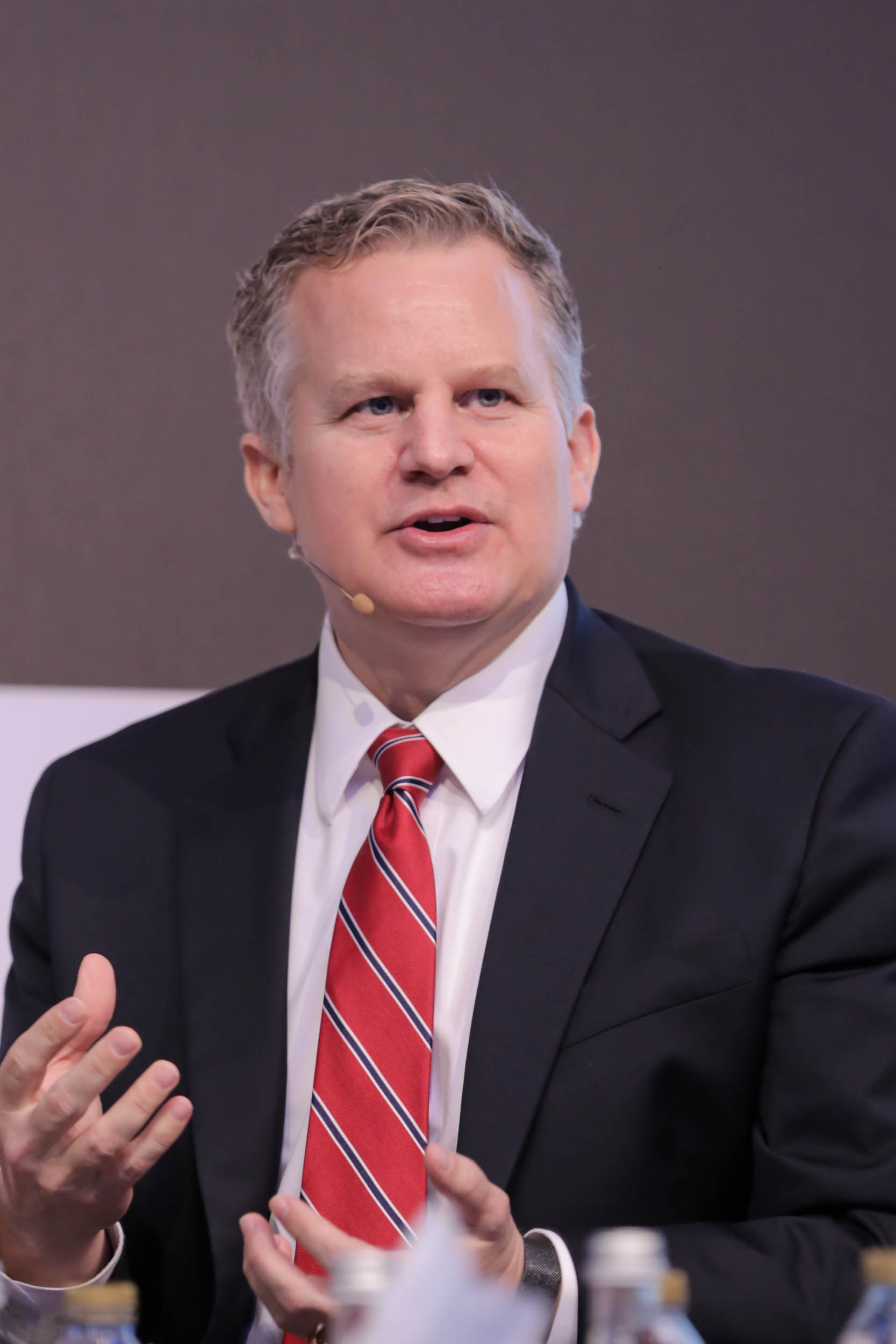
Michael Morantz, policy analyst, illicit and counterfeit trade, from the Organisation for Economic Co-operation and Development (OECD), highlighted that free trade zones (FTZ) represent a significant economic opportunity; for example, FTZs account for up to 25% of all employment in the UAE but noted that FTZs also represent heightened risks from illicit trade. A recent OECD report on the ‘ Trade-in Counterfeit Goods and Free Trade Zones ’ for example, finds that the presence of an additional FTZ on a given territory is associated with a 5.9% increase in the value of trade in counterfeits from that host economy.
Morantz added, “On a solution, the answer is about more information and better transparency. From this data that the OECD has produced on FTZs, it is clear that we need more accountability and better transparency for Free Trade Zones. The OECD is working on developing guidance on FTZs with its member countries and partners through the Task Force on Countering Illicit Trade, which it hopes can help strengthen the resilience of zones.”
Speaking at a panel titled ‘Tax Regimes: Double-Edged Swords?’ that focused on managing vulnerability to illicit trade activities brought on by new tax policies, Brendan LeMoult, AIT and fiscal affairs vice-president at JTI, commented, “Sudden and steep tax increases are counter-productive: governments risk losing tax revenue as legal products become unaffordable, leading consumers to shift to cheaper, often illegal products.
“There is a better way: it is always recommended that governments establish appropriate long-term and balanced tax policies and always consult with legitimate businesses in the process. The industry will always have critical global experience in how taxation can affect the marketplace, and also in how government policy and effective law enforcement activity can combat the illegal trade while raising government revenue,” LeMoult concluded. Other speakers at the summit included; Hussain Al Fardan, Head, Innovation Centre – Strategy and Corporate Excellence, Dubai Customs; Dr Abdelhak Senhadji, Deputy Director, fiscal affairs, IMF and Deangelis F, criminal intelligence officer, illicit goods and global health programme, INTERPOL.
The event was supported by JTI, SCLG, AmCham Abu Dhabi, Brand Owners Protection Group (BPG), Kuwait Business Council, British Business Group, German Emirati Joint Council for Industry and Commerce, Canadian Business Council, INTA and The Business Year.
About the Economist Events
Economist Events, the organiser of the summit and part of The Economist, has hosted over 80 events
annually across more than 30 countries on topics that convene world-class thought leaders on a range
of strategic business issues.
For more information: https://events.economist.com/
Press enquiries:
Zeba Ahmad,
zeba@mediaart-me.com,
+971 50 4942989