

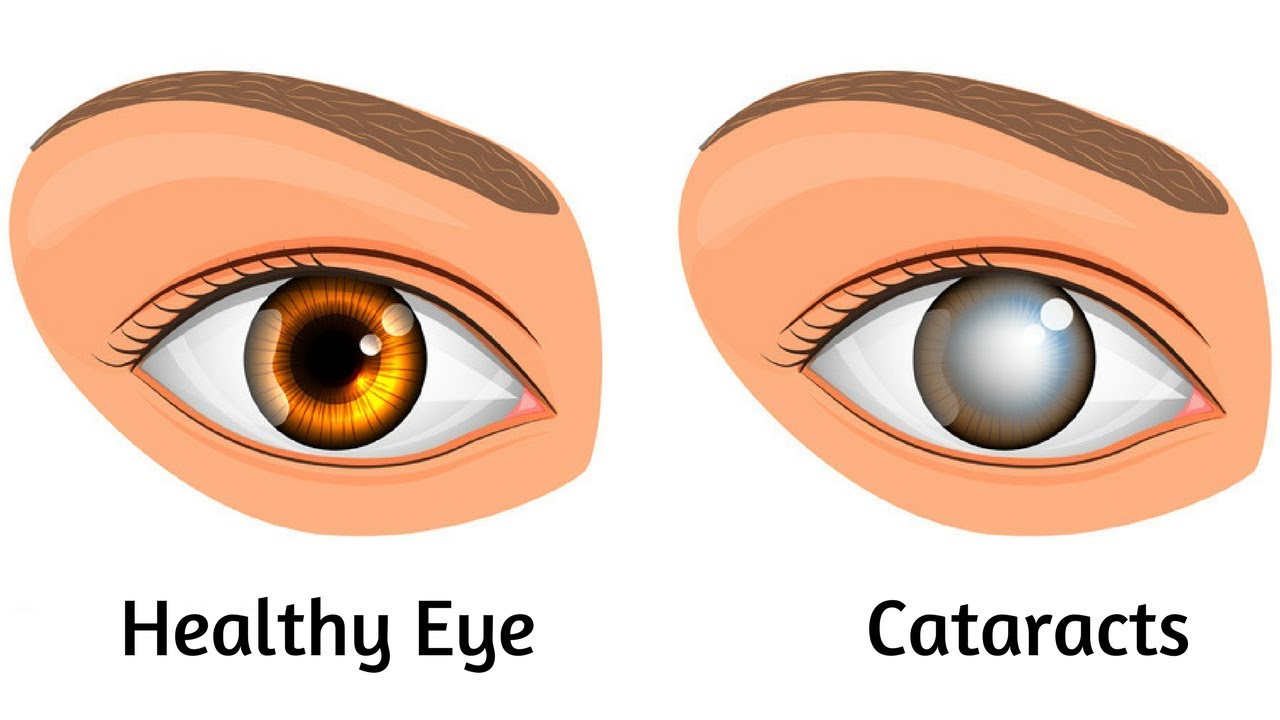
The leading reason as to why many people lose their sight these days is due to a vision problem known as “Cataract”. There are more than 20 million people globally that suffer from blindness caused by this illness. Cataracts also form over time in half of the people who are aged 65 and above. It is also known to partially impair the sight of some ten million and more.
Till now, there is no drug remedy to cure and treat this eye problem. Until recently, a student from the New York University Abu Dhabi has found in one of her studies and recent works about a chemical that is found in a locally produced plant that has anti-cataract properties. It is found in a plant called Cleome rupicola. Yumi Gambrill had discovered this and worked about a year on it to identify the chemical.
Ms. Gambrill says, “Cataracts tend to disproportionately affect people in developing countries, where people are less likely to be able to access or afford cataract surgery, or there are heightened complications. There’s a pretty strong push to find a cataract [drug] treatment. Much of drug discovery, in general, is based off what we know of plants.”
The 22-year old also mentions, “I wanted local relevance. There’s a long history of Islamic medicine – incredibly advanced knowledge that ties into medicine in general and UAE culture.” Also adding, “It’s an opportunity to bring together history and modern technology. Signals from NMR are like fingerprints from a compound. It’s really useful when you’re trying to match up a known compound with an unknown.”
She also said, “This would be a huge advance for cataract research with massive implications, especially for patients that cannot afford the surgical treatment. When you do research with the potential of finding something incredibly useful, that’s a huge motivating factor. That’s the reason that helps me get through the days when things don’t go right.”
This form of new findings for the cure of cataract can be the next breakthrough in modern science and technology.